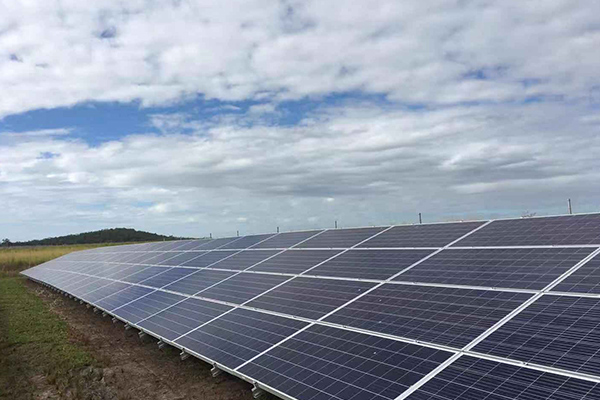
Grounding solar panels an essential safety step for any photovoltaic installation, whether residential or commercial. It connects all exposed metal parts of the solar system, including panel frames, mounting racks, inverter housings and junction boxes, to the earth through conductive wires and grounding electrodes. This setup creates a low-resistance path to divert dangerous fault currents away from people and hardware during electrical failures or lightning surges.
Two main types of grounding apply to solar PV systems. Equipment grounding, the most common form, bonds all non-current-carrying metal components together. If electrical insulation breaks down and live wires touch metal frames, fault current flows safely into the ground instead of electrifying the structure. System grounding stabilizes DC voltage levels and helps ground-fault detectors quickly identify wiring faults. Without proper grounding, metal surfaces may become live, causing electric shocks, equipment burnout or even electrical fires.
Installers must follow local electrical codes such as NEC Article 690. Continuous bonding across the whole array is required to avoid disconnected segments. Copper conductors and grounding lugs are widely used to link panels and racks, which finally connect to ground rods or the building’s existing earth electrode system. Loose connections, corrosion or undersized grounding cables will weaken protection. Regular annual inspections help check for oxidation and loose torque on terminals.
Many people underestimate grounding and treat it as optional. Yet lightning strikes and insulation defects happen unexpectedly. A well-grounded solar array reduces surge damage to expensive inverters and modules, extending the service life of the whole system. For solar projects, reliable grounding is not merely a code requirement. It is the fundamental safeguard protecting property and lives while enabling stable, clean solar power operation.