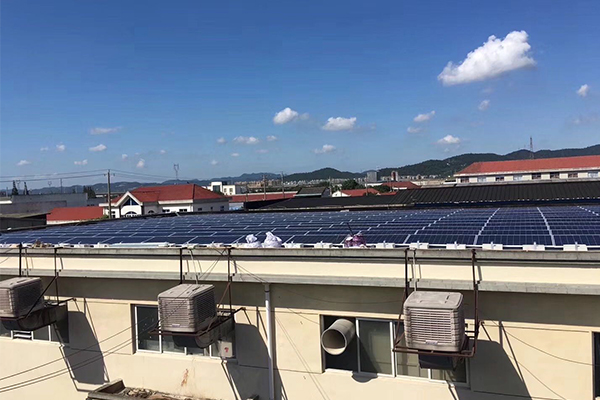
As the global shift toward renewable energy accelerates, flat roof solar mounting systems have emerged as a practical and high-performance choice for commercial, industrial, and residential buildings. Unlike sloped roof setups, these systems leverage the unused horizontal space of flat roofs to deploy solar panels efficiently, offering unique advantages in flexibility, space utilization, and energy output.
At the core of flat roof solar mounting systems are durable, lightweight components designed for easy installation and long-term reliability. Most systems feature aluminum or galvanized steel frames—materials chosen for their corrosion resistance and strength-to-weight ratio, ensuring compatibility with various roof types (including concrete, TPO, EPDM, and PVC). The mounting structure typically includes adjustable rails, clamps, and ballast or penetration-based fixings. Ballast systems, which use weights like concrete blocks to secure the array without drilling into the roof, are popular for preserving waterproofing, while penetration mounts offer enhanced stability for high-wind areas.
One key benefit of flat roof systems is their adaptability in panel orientation and tilt angle. Unlike sloped roofs, which are limited by the roof’s pitch, flat roof setups allow installers to optimize the tilt (usually 10–30 degrees) to maximize sunlight exposure, boosting energy production. This flexibility also enables strategic spacing between panels, improving airflow for heat dissipation and simplifying maintenance access. Additionally, flat roofs often provide unobstructed sunlight, free from shading by eaves or nearby structures, further enhancing efficiency.
Practical considerations for installation include roof load capacity, waterproofing, and local regulations. Prior to installation, a structural assessment is critical to ensure the roof can support the weight of the mounting system, solar panels, and ballast. Waterproofing membranes must be inspected and protected—many systems include rubberized gaskets or flashings to prevent leaks. Compliance with building codes and zoning laws, including setback requirements and height restrictions, is also essential to avoid delays.
For businesses and homeowners alike, flat roof solar mounting systems offer a cost-effective path to energy independence. They maximize unused space, reduce electricity bills, and contribute to carbon reduction goals. With advancements in materials and design—such as modular components and low-profile frames—these systems continue to become more accessible and efficient, solidifying their role in the future of solar energy adoption.