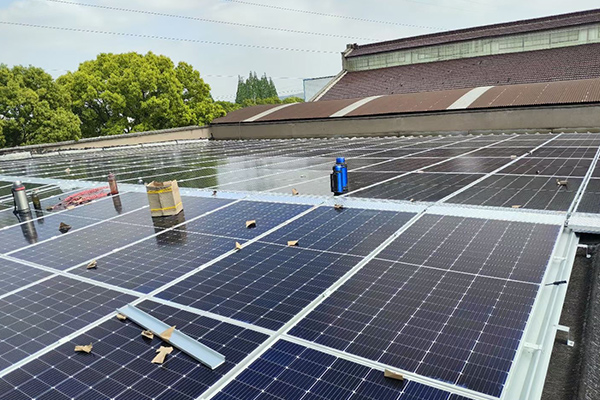
BIPV roof mounting systems have emerged as a transformative solution in the renewable energy landscape, blending solar power generation with building envelope functionality. Unlike traditional solar panels that are retrofitted onto existing roofs, BIPV systems are designed as integral components of the roof structure, offering both energy production and architectural utility.
These systems leverage advanced mounting technologies to ensure seamless integration with various roof types, including flat, sloped, and curved designs. High-strength aluminum or stainless-steel brackets provide secure fixation while accommodating thermal expansion and contraction, ensuring long-term durability even in harsh weather conditions. The modular design allows for flexible configuration, enabling customization to fit the specific dimensions and aesthetic requirements of commercial, industrial, and residential buildings.
Beyond their structural benefits, BIPV roof mounting systems deliver significant environmental and economic value. By converting sunlight into clean electricity, they reduce reliance on fossil fuels, lowering carbon emissions and mitigating climate change impacts. Additionally, they serve as energy-efficient roofing materials, enhancing thermal insulation and reducing heating and cooling costs for building owners. Many regions offer incentives such as tax credits and feed-in tariffs, further improving the return on investment.
The growing emphasis on sustainable construction practices and net-zero energy goals has accelerated the adoption of BIPV systems. Architects and engineers increasingly prioritize these solutions for their ability to combine functionality, aesthetics, and sustainability. As solar cell technology advances—with higher efficiency and thinner profiles—BIPV roof mounting systems are poised to become a standard feature in modern building design, driving the transition toward greener, more energy-independent built environments.