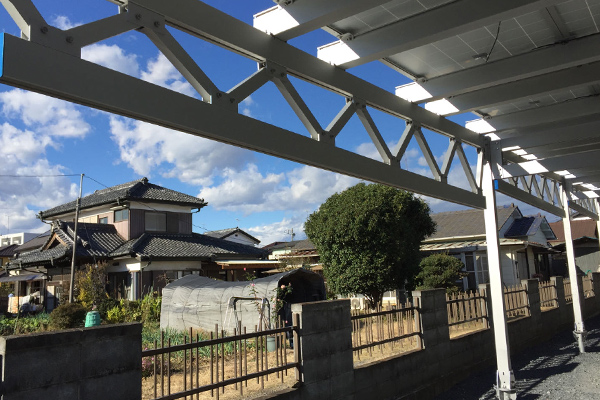
As global agriculture shifts toward sustainability and cost reduction, agricultural solar mounting systems have emerged as a transformative solution—integrating solar energy generation with farming operations to maximize land value and environmental benefits. These specialized structures support photovoltaic (PV) panels while adapting to the unique demands of agricultural landscapes, addressing both energy needs and farming productivity.
The primary types of agricultural solar mounting systems include ground-mounted fixed systems, tracking systems, agrivoltaic (AV) integrated systems, and roof-mounted variants. Ground-mounted fixed systems, ideal for open farmlands, feature adjustable tilt angles to optimize solar absorption and are designed with sufficient height to accommodate crop growth or livestock grazing. Tracking systems (single-axis or dual-axis) follow the sun’s trajectory, boosting energy output by 15–30% compared to fixed models, suited for large-scale commercial farms. Agrivoltaic systems, a game-changer for land-constrained regions, combine PV panel installation with under-panel farming—supporting shade-tolerant crops while generating clean energy. Roof-mounted systems utilize farm buildings (barns, warehouses) to save land, offering a space-efficient option for small to mid-sized farms.
Modern systems boast agricultural-specific design features: corrosion-resistant materials (hot-dipped galvanized steel, aluminum) to withstand harsh outdoor conditions, modular structures for easy installation and expansion, and compatibility with irrigation systems and farm machinery. Their low-impact design ensures minimal disruption to planting, harvesting, and soil health.
For farmers, these systems deliver multifaceted benefits: reduced electricity costs via on-site power generation, additional revenue from surplus energy sales to grids, and improved land-use efficiency (especially critical in densely populated agricultural regions). They also align with carbon reduction goals, cutting farm emissions while enhancing resilience against volatile energy prices.
As renewable energy policies and agricultural modernization drive demand, agricultural solar mounting systems are becoming indispensable for sustainable farming. By uniting energy production with agricultural productivity, they pave the way for a greener, more profitable future in global agriculture.